7 Nov 2026
How Geolocation Services Enhance Localized Jackpot Opportunities for Users of French Online Gaming Venues
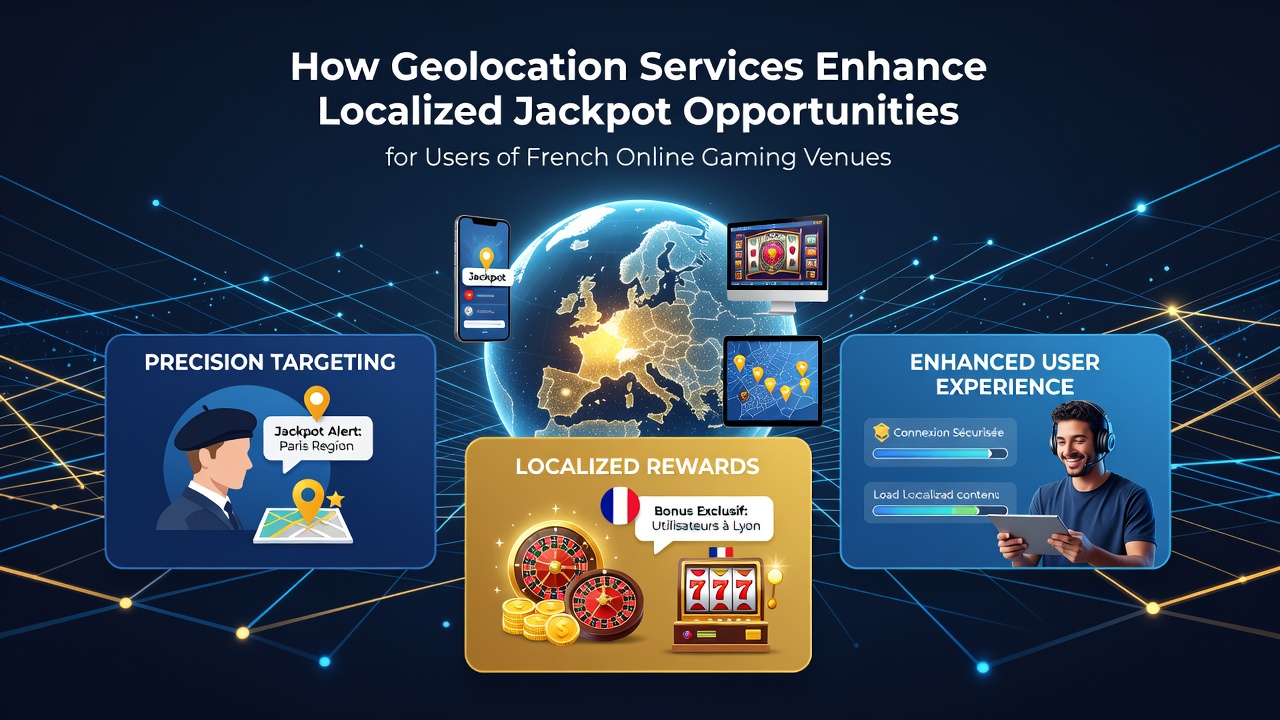
Geolocation services have become central to how French online gaming venues manage and distribute jackpot opportunities, allowing operators to verify user locations and tailor prize pools accordingly. These systems rely on a combination of IP address analysis, GPS data from mobile devices, and Wi-Fi network triangulation to confirm that players fall within regulated French territories, which in turn unlocks access to localized jackpot structures that might otherwise remain unavailable. Observers note that such precision helps maintain compliance with national gaming laws while creating opportunities for region-specific prize accumulation.
Regulatory Framework and Technical Implementation
French authorities require strict adherence to geographic boundaries for online gaming activities, and geolocation tools provide the necessary verification layer to meet those standards. According to data from the Autorité Nationale des Jeux, operators must ensure that jackpot eligibility aligns with player residency, preventing cross-border participation that could violate licensing terms. The technology processes location signals in real time, cross-referencing multiple data points to reduce errors and maintain accurate player segmentation across the country.
Platforms integrate these services directly into their registration and login flows, prompting location checks at key moments such as jackpot entry or prize claims. Researchers have documented how this setup supports larger, localized prize pools by concentrating contributions from verified French users rather than dispersing them across wider European markets, which creates distinct jackpot tiers that grow faster within specific regions.
Impact on Jackpot Pool Dynamics
Localized jackpot opportunities emerge when geolocation confirms that a sufficient number of players from designated areas participate in shared prize structures. This approach allows venues to segment contributions, so funds from players in Paris accumulate separately from those in Lyon or Marseille, leading to more frequent but regionally contained wins. Data indicates that such segmentation can accelerate jackpot growth rates because each pool draws from a dedicated user base without dilution from distant participants.
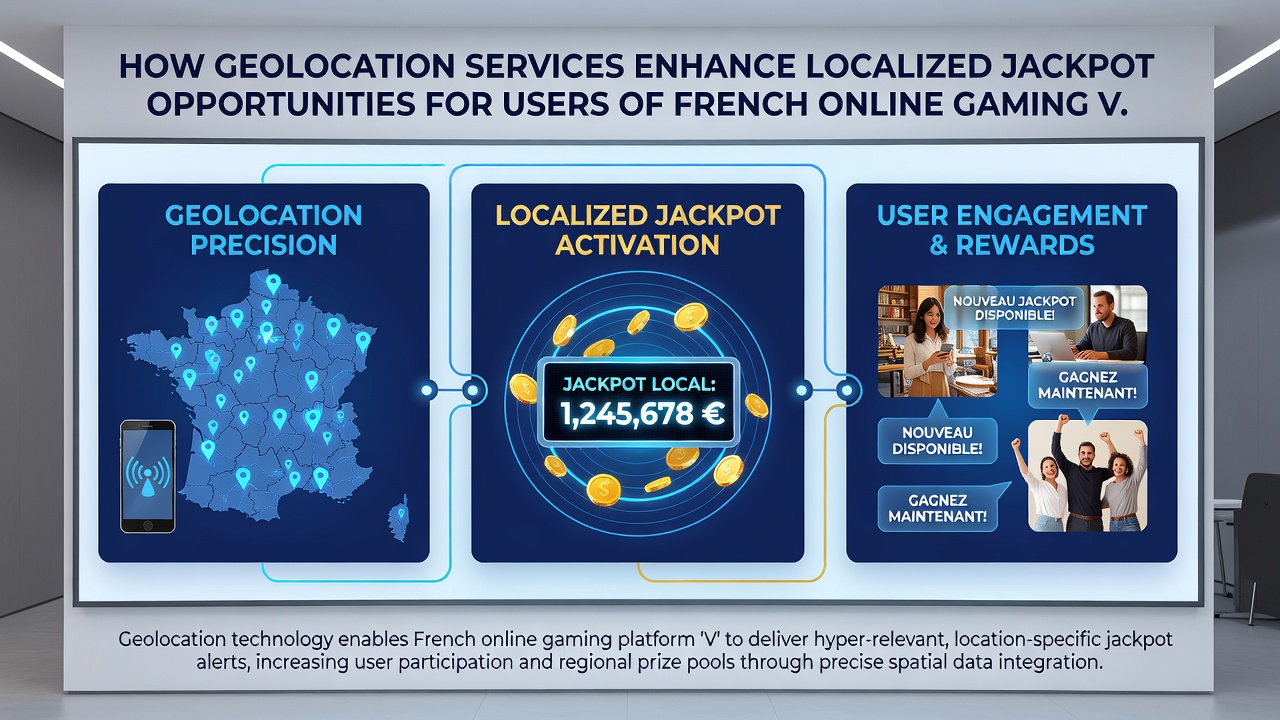
Operators have observed that November 2026 brought refinements to these systems, with updated mapping databases that better account for mobile network changes and temporary location shifts during travel. Those refinements helped sustain consistent access for users who remain within French borders, while automatically adjusting jackpot visibility when location signals indicate movement outside permitted zones.
Player Experience and Access Patterns
Users encounter geolocation-enhanced jackpots through personalized interfaces that display only the prize pools available in their confirmed area. This setup reduces confusion over eligibility and directs attention toward opportunities that match their location profile. Studies from European gaming research groups show that clear localization improves engagement metrics because players see relevant prize information without navigating complex regional rules.
Take one case where a platform adjusted its geolocation thresholds in late 2026, resulting in smoother transitions for players moving between urban and rural French zones. The adjustments ensured continuous jackpot access for eligible users, and figures reveal higher participation rates in localized pools compared to broader, non-segmented offerings.
Technical Challenges and Solutions
Accuracy remains a key focus because signal interference from VPNs, shared networks, or border areas near Belgium or Switzerland can trigger false negatives. Operators deploy multi-factor verification that combines device sensors with network data to resolve these issues quickly. Industry reports highlight that ongoing refinements in 2026 improved detection rates, allowing venues to maintain service continuity while upholding regulatory boundaries.
Those who've studied these systems note that fallback protocols activate when primary location methods encounter delays, ensuring players retain access to their regional jackpots through secondary checks. This layered approach supports uninterrupted gameplay and prize accumulation without compromising the integrity of localized pools.
Conclusion
Geolocation services continue to shape how French online gaming venues structure and deliver jackpot opportunities by enforcing precise location verification and enabling targeted prize pools. The combination of regulatory compliance, real-time data processing, and adaptive technology creates environments where localized jackpots can develop at rates that reflect regional participation levels. As platforms refine these tools through 2026 and beyond, the focus stays on maintaining accurate boundaries that support both legal requirements and user access to relevant gaming features.